
Prosperity Report № 22 · October 5, 2026
You can say anything about yourself. The market only counts who else says it.
A 5-minute weekly report delivering proven strategies, actionable insights, and curated resources to help you grow your business, build your authority, and create your best life.
Good Tuesday. Most founders treat credibility as a volume problem. Post more, say it louder, repeat the claim until it sticks. It does not stick, because the claim is coming from the one person with an obvious reason to make it. Jerome Knyszewski put it to me with a joke on himself: he can announce he is the best-looking bald guy with a salt-and-pepper beard on the planet and people laugh. Put the same sentence on the cover of GQ and they start believing it. Same words, different source, completely different result. That gap is where most of your marketing money leaks out. You are creating desire and then handing the prospect over to a comparison they run without you in the room.
This week, stop producing and start engineering. Pick one claim you make about yourself constantly, the one your whole pitch leans on, and find a credible third party to say it for you. A client willing to put a result in writing. An editor willing to run your story. A recognizable name willing to vouch. One sentence from someone else outperforms a month of your own posts. Clarity on what you want said, focus on who says it, execution this week and not next quarter.

Key takeaways
No solo session this week, so these come straight out of the one conversation we ran. They are the parts you can act on before Friday.
Stop vouching for yourself. Jerome compares it to publishing a book. Authors fight for the foreword and the blurb because endorsements, not the manuscript, are what move copies. Strip them out and strong content falls flat, because we need someone who knows something to vouch for it before we believe it is worth something.
Your FAQs belong in public. Write down the five questions you answer over and over, the ones you repeat like a pull-string toy. Those are the questions your market is actually carrying, and most businesses bury them on an obscure page nobody reads. Put them in the content people meet you through instead.
Add three should-ask questions. The second layer matters more than the first. Should-ask questions are the things your audience does not know to ask but needs to consider, because you know more about your category than the person buying from you. A good one triggers the reaction that is exactly what I was worried about, tell me more, and doubles as a question you would love your prospect to take to your competitor.
Consistency beats one lucky hit. This is where most people fail. They land one feature, treat it as the finish line, and are back to shouting into their own feed a month later. One feature is 15 seconds of fame; a predictable rhythm of features across the niches you operate in is a reputation that compounds.
Guest spotlight
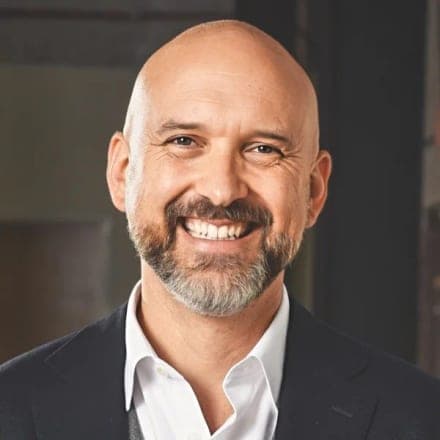
Jerome Knyszewski
Founder and CEO of Authority Magazines and Valiant CEO, on why your problem is not lead volume but what happens while the prospect compares you to everyone else.
The un-obvious part is that Jerome did not build a media company to sell placements. He built it because his clients had real stories and no way to get them told. Legacy publications would not touch the little folk without a PR team, so they blogged on their own sites and generated no credibility at all. Then he noticed Entrepreneur.com was running on WordPress, and so was the next authority site he checked. His conclusion was blunt: WordPress is WordPress, let's WordPress something up. The publication has never charged anyone to be published, which is exactly how the interview count got to 10,000.
“If you get a third party to talk about you and say the same thing, then it changes the perception.”
Three things worth stealing from the conversation:
- Control the interview, don't survive it. Most publications send someone to extract something from you. Jerome flipped it, asking people what matters to them, where they are going, and what their audience actually cares about, then steering and digging deeper from there. Walk into any interview or podcast with that frame prepared and you stop being material for someone else's story.
- Volume proves the model works. Roughly 10,000 interviews in about four years, with no pay-to-play, and the only paid upgrade shortens a queue that normally runs four to six weeks. The lesson is not the number, it is what the number came from: an open door and a team committed to making the subject look good. People came back and asked for a second publication, which is why there are now a dozen.
- Watch your link neighborhood. Jerome keeps hard guardrails on what gets published, and some of that is taste but some of it is technical. In SEO terms the wrong topics turn a site into a bad neighborhood, and a link back from a bad neighborhood can damage the person it was supposed to help. Vet where your name appears with the same care you vet who you take money from.
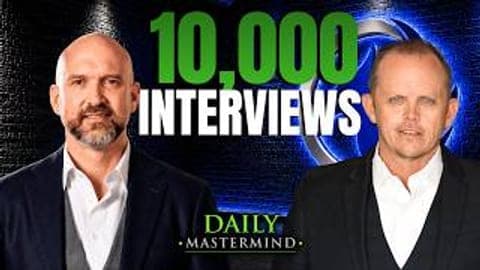
This week on the show
Resources & links
The FAQ and SAQ exercise, straight out of the episode. Write the five questions you answer over and over, then write three should-ask questions your audience never thinks to raise. Eight answers is a positioning document, a content calendar, and an interview prep sheet at the same time. The full breakdown is in What 10,000 Interviews Teach About Authority.
Get one credible third party to say the thing you keep saying about yourself. A written testimonial with a real number in it, a feature, a podcast appearance, an endorsement from someone your buyers already trust. One in 30 days, not five. Reply with who you are going after and I will tell you whether the ask is strong enough.
One interview this week, so here is an open door instead. Reply with your one-line positioning statement, the sentence you use when someone asks what you do, and I will send notes back to the first ten readers who write in. Put POSITIONING in the subject line so it reaches me.
Where this leads
When you’re ready to go deeper than a weekly report, there are two ways in.
Group mentoring across mindset, marketing, authority, and automations. The room where the ideas in this report become your operating system.
Explore the Academy →A path from featured authority to your own podcast, to a full launch and media company, with ongoing monthly support. Built to make you the name people already trust.
Start the conversation →That’s your five minutes. Now go execute.