 JOIN FREE
Mike Jesowshek
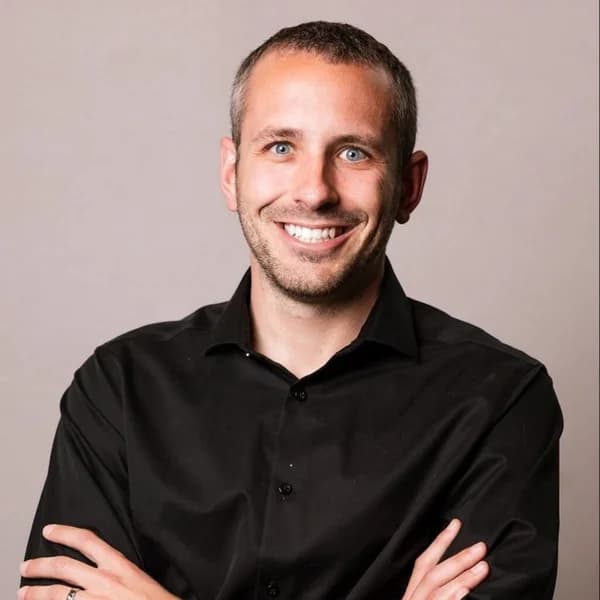
About Mike Jesowshek
Mike Jesowshek is a CPA who came to accounting through entrepreneurship rather than the other way around. He started in online marketing at 14, built multiple businesses, and launched a digital accounting firm in 2013 — discovering a love for tax planning after years of getting vague, unhelpful answers from traditional accountants. That frustration became a mission: to help every business owner understand exactly which tax strategies are legally available to them.
Today Mike is the founder and host of the Small Business Tax Savings Podcast, as well as an entrepreneur, speaker, and author. He has educated thousands of entrepreneurs nationwide, making the complex world of taxes accessible by breaking it down into easy-to-understand strategies. His core promise to business owners is simple: learn how to pay the least amount in taxes as legally possible, whether you're earning $1,000 or $10 million a year.
On The Daily Mastermind, Mike sat down with George Wright III to break down the difference between tax prep and proactive tax planning: why most savings opportunities close on December 31, how to shift spending you're already doing from after-tax to pre-tax dollars, the truth about the year-end "buy a truck" advice, hiring your kids the right way, and why proper documentation is what lets you sleep at night.