Hugh Hornsby: In ninth grade, my teacher tried to put me in special needs. And so I, you know, the, the story in the book tells about me coming home and my mom sending me up s- you know, saying, "Hey, take 15 minutes for a pity party, and then you go upstairs and you take this yellow pad..." I call it the yellow pad moment in the book.
Yeah. And I got several of those, and she said, "You write down, you know, what it is you're gonna do differently about it, and h- you know, what are you gonna do next?" And, uh, I remember coming down and saying, you know, "I'm, um, you know, I, I, I'm actually, um, gonna help people, and I'm gonna go to college." 'Cause they kept telling me, you know, "You're not smart enough to go to college."
George Wright III: Yeah. In fact, they,
Hugh Hornsby: they were- A few people heard that, right? Yeah ... ninth grade, yeah
George Wright III: Okay, welcome back to The Daily Mastermind. I'm George Wright III with your daily dose of inspiration, motivation, and education. I'm really excited today to be featuring, uh, a gentleman I think you're gonna be hearing a lot more from. His name is Hugh Hornsby. Hugh, how are you doing?
Hugh Hornsby: Absolutely great. Every day just becomes a better day.
George Wright III: Yeah. I tell you what, I'm glad to have you on the podcast today. And for those of you first time listening, make sure that you are following the show because we have some really good stuff that's gonna be coming up. But today I wanna talk to you a little bit about business. I wanna talk to you about the trades.
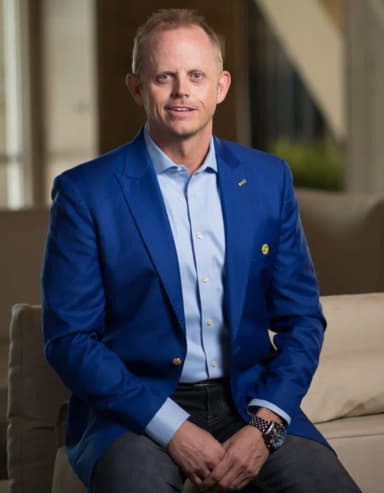
And, uh, let me give you a quick introduction to Hugh, uh, because I, I think some of you are gonna really relate to his story. Um, Hugh's the founder of Blue Collar Smart. He's a recognized authority when it comes to skilled trades and industry. Um, he has 40 years of leadership experience in distribution, wholesale plumbing, HVAC, you know, you, you name it.
He's helped scale organizations, um, you know, 65 million to over 155 million. But he's also an advisor, board of advisor, um, on the board of, uh, several different industries and, you know, covering from distributors, contractors, manufacturers, associations, private equity, and he's known for his philosophy of people build businesses.
He's got a brand-new podcast coming out as well, so I'm, I'm excited to have him here to talk a little bit about his story. So Hugh, you have a, a, a, a, a great story and a very diverse background, but I wanted to ask you what got you started in the trades industry? Ge- take us back a little bit and just give us a little bit of the backdrop which got you into the trades, kind of the early years, so people understand where you came from.
Hugh Hornsby: Yeah. So I, I graduated from college by the skin of my teeth, and, uh, I realized... I didn't realize then that the first thing I was, you know, that the studying and the investment in myself was really starting then, not necessarily in college. So, uh, back in 1981, um, there was a recession going on, and I happened to be from Newport News, Virginia, and there's this big company out there called Ferguson Enterprises, who today is a $34 billion company.
And, um, you know, I interviewed several different companies and, and, uh, they were pretty much a startup, maybe 100 million in sales back then. And, uh, you know, so I, I just kinda got hooked and started in the warehouse, drove the truck. Um, you know, did everything that, uh, you know, you had to do. Man- manage your training program.
So you go in, one day you're sitting there with a, you know, suit and a tie and, and doing eight hours of interviews, and the next day you're, you're back in the back working, you know, working pulling pipes and, you know, almost digging ditches. So, um, and they say in our industry, and I think this is key, is that if you stick around our industry for, for three years, you don't leave.
Yeah. And, uh, you know, I heard that story and, um, and that, that was exactly what happened.
George Wright III: Exactly what happened to you, huh? Yeah. Well, it's, it's interesting because you have had, um- You know, you've got, you've got a pretty diverse background, but you've had a lot of challenges and setbacks as well, and you kind of often talk about this underdog advantage.
And I wanted you to talk to me just a little bit about that because the underdog advantage is something I think a lot of people would relate to, but I wanna know what it is, what it means to you, and why do you talk about that a lot?
Hugh Hornsby: I don't know. It really, you know, it really hits me right in the heart.
Um, I, I was, at the age of 10, I had a severe... Fe- fell off a swing set, had a severe head injury. I was in the hospital for like four days and, um And I, I remember, uh, and I have to tell you, I was... It was a great four days 'cause I'm the middle child, so I got all the attention. So I really had no idea the severity of what was going on.
But when the doctor came in and, and told me that I had epilepsy, and my mom was sitting there, um, and I'll be honest with you, I didn't know what epilepsy was. In fact, I thought he said leprosy, and, uh, all I wanted to do was go home and play.
George Wright III: You're like, "
Hugh Hornsby: Dang." Um, but we, we walked to the car, and I sat there, uh, next to my mother, and I looked over, and she had tears in her eyes.
And, and I said, "Mom, you know, don't, don't worry. I'm gonna be okay." And, uh, she paused, and she kinda wiped her, wiped the tears out of her face, and she said, uh, "You know, Huey, it's not you that I'm worried about, it's everybody else." They don't... Back then, they had no idea about epilepsy. Um, and so she, she said, "But you gotta make me a promise."
I said, "Sure, Mom, anything." And it's like, "You know, never let anybody hold you back, especially yourself." And I said, "Yep, yep, that sounds..." She said, "No. Listen to me. Never let anybody hold you back, especially yourself." I said, "Yes, ma'am." And I had no idea that at the age of 10 that I started a journey that I am on today.
Um, shortly after that, um, my mom was just an amazing person, and she, she used to, um, bring books a- and drop them on my bed, and one of them is The Little Engine That Could. I, I have that sitting right here in front of me. It's my favorite book. I actually buy, buy those book. In fact, um, the last time I went over to see my good friend Don Green, who's at Napoleon Hill Foundation, I took him that book, and he gave me a big hug.
Um, but what was really great about it back then was that, um, you know, I just kept reading those books, and most of them were about sports and about people that had overcome. But over a period of time, it just became a part of who I was. And-
George Wright III: Yeah ...
Hugh Hornsby: you know, when I d- I went to the National Speakers Association, I remember them saying, "Well, how did you figure this out?"
And I said, um, "At the age of 10." Because it didn't only teach me that, you know, I needed to deal with me and, and my disorder, but it was, there was all these other people out there that had, whether it was a disorder or just something going on. And I told my mom, I said, "I really wanna help those people."
Because I was, I had built this confidence at a younger age that m- you know, most people didn't have. And, uh, so I started mentoring and coaching people at the age of 10. And, um And it's, it's... Believe me, I was a goof, so, uh- Yeah ...
George Wright III: I wasn't, I wasn't that great
Hugh Hornsby: a-
George Wright III: Yeah, but at the end of the day, you know, it's like so many people have challenges, setbacks, things that have defined them, but it's, it's the individuals like yourself, like you've learned to do, um, that use those things to define themselves in, in a good way.
So it's like this underdog becomes an advantage for you because those defining moments are the things, especially with when, as I talk to entrepreneurs throughout the years, um, the most successful people have learned to take their disadvantage or their defining moment or their challenge or setback and turn that into their advantage.
And so, and I know you've had a lot of those kind of situations, and, and I th- I think it's pretty, um, interesting that you go back to that because a lot of people, as they're growing up or even as they get into their career, these challenge setbacks they have, they define them, but in the wrong way. How do you, how do you, when you're talking to individuals, especially in this industry that you've been around and the people you've been wor- working with, how do you help them to really understand that it i- it could be an advantage if they view it that way?
Hugh Hornsby: You know, for years I thought that I could help everybody, and I realized that you can't help people that don't wanna help yourself. Now, that was something that I used to hear from... My dad was an old football coach
George Wright III: and-
Hugh Hornsby: Yeah ... you know, "You can't help somebody that doesn't wanna help yourself." And I said, "But sometimes they don't know what they want, Dad."
So, um, but yeah, I mean, it, it, it, um, really defined me and, and it, it continues to define me today. Uh, there's a thing out there called the law of polarity.
George Wright III: Yeah.
Hugh Hornsby: You know? And I, I believe it. I believe in that one, but, you know, everything has an opposite. Um, as I started to understand it, um, I, I realized that, um, you know, you can...
Ninth grade my teacher tried to put me in special needs, and so I, you know, the, the story in the book tells about me coming home and my mom sending me up s- you know, saying, "Hey, take 15 minutes for a pity party, and then you go upstairs and you take this yellow pad..." I call it the yellow pad moment in the book.
Yeah. And I got several of those, and she said, "You write down, you know, what it is you're gonna do differently about it, and h- you know, what are you gonna do next?" And, uh, I remember coming down and saying, you know, "I'm, um- You know, I, I, I'm actually, um, gonna help people, and I'm gonna go to college," 'cause they kept telling me, you know, "You're not smart enough to go to college."
George Wright III: Yeah. The
Hugh Hornsby: fact that they were- A few people
George Wright III: heard that, right?
Hugh Hornsby: Yeah ... ninth grade, yeah. So, um, but-
George Wright III: When you've had all these lessons, though, that you've learned, and I, I feel like... So you're, I mean, you've been asked to, to be on the board of directors of multiple companies. You have, um, our listeners have probably heard you mention your book.
You've got a book that's coming out called Blue Collar Smart. Um, and you have all these lessons from your own personal journey and your career. Um, and, and I'm curious, the, there, there are so many different lessons from your personal journey that y- you wanna help the younger trade professionals learn earlier on.
Um, and we're gonna get into some, some of these topics and things, but is there anything that kinda comes to mind for you that you feel like is driving this need to try to help, uh, you know, young trade professionals and, and others, you know, learn from your, your early career?
Hugh Hornsby: And, you know, we're, we're definitely taking a look at the trades, but when I think about trade, I think about blue collar smart, meaning people are willing to look at the world from a different perspective, and that's just not the trades.
That's everybody else. But since I've been in the industry for so long, I just felt like that was so- a group that I wanted to help. Um, I w-
George Wright III: That's a good distinction, though. I really like that you made that because I think some people also, they're, they're sort of categorizing themselves, whether it's the type of career they have, the, the history they've had, the background they've had, and I love how you tied that down because no matter who it is, it is about being smart.
It is about doing, uh, you know, things that have been successful, that work. You're trying to teach those lessons, and, you know, one of your core messages that you talk about, uh, uh, and in your book as well, is that people build business. People build business. Explain to me why that's such a big deal for you.
Hugh Hornsby: Well, I, I, I think we live in a very different world. So, and I say a different world. You know, we get taught to be, to live our life in a box. And so, um, i- if you, if you go back and you lo- you look at what we teach in school, my wife's a schoolteacher, so I, I love schoolteachers. But, you know, you get put in a box, and a lot of the things that we're, we're have to figure out is, "Okay, I'm gonna put you in this box, and Hugh, if you can't get out of this box, I'm not gonna take you to the next box."
And, and, and a lot of times people just don't know the gift that they have, and I think everybody has a gift. I knew I had a gift in ninth grade. Uh, now I probably, you know, probably wasn't 100% sure, but I knew I had a lot more there. And, and I just really wish the teacher would've sat down and said, "What is it that you wanna do?"
George Wright III: Yeah.
Hugh Hornsby: And that's what, that's what I really learned is that, that, um, when I talk to people, it's about, okay, what is your gift? What is your dream? And, and I've mentored probably over 240 people or more, and usually when they come in, some of them are high-level executives making, you know, 500,000 to a million dollars a year, and they come in, they've just gotten fired.
And, and they'll come in, they said, "Okay, Hugh, give me, you know, give me some advice. I hear you're the guy." And I'm like, "Well, here's my advice. What's the dream that you left behind?"
George Wright III: Hmm.
Hugh Hornsby: And they'll look at me, and now some of them will say, "You know, you have no i- Just go back and say, 'What was it that you really wanted to do?
What was it, that dream that you had when you were a kid, but you left it behind because somebody told you that you couldn't do that?'" And so what I was able to do in, um... But it takes a burning desire. I mean, we, we know that from Think and Grow Rich. Yeah. Yeah. If somebody doesn't have a desire, but sometimes people just don't know that why.
George Wright III: And so what- But that desire and that why can get them back. If they go back, I like how you said, you know, the dream you left behind, because that might go back to something that will create the desire and what will push you, will motivate you.
Hugh Hornsby: Yeah, I mean, it, it, even, I mean, I still go through it. I mean, I don't, um, if you remember, George, when you and I started talking, and, and you said, "Hey, you need some clarity."
Yeah. And, uh, you know, a- and that's okay. You know? But you don't find that on your own. I found it that day from George Wright III. Um-
George Wright III: Yeah ...
Hugh Hornsby: and, and-
George Wright III: And it's interesting how you can affect people in their lives, right? Because you could be like we were, having a random conversation, and, um, you know, everyone struggles and everyone...
This is why I really love back to this idea of people build business. It's not about just optimizing strategies and business. That's important, as much as also understanding people and what motivates them and what drives them and, and the clarity they need. And, and I love that phrase, you know, the dream they left behind, because no matter where you're at, what profession you are, where you are in your career, sometimes it takes looking back a little bit to see where you need to go to get the clarity.
'Cause we, we just are so caught up, like you said, we're so overwhelmed. Um, and, and I think you've done a good job of that, um, really identifying the people in the business Because when you've done that, that's when the... Would you say that's when the biggest growth has happened in the business?
Hugh Hornsby: Yeah. I, I...
And I think what I've also identified, uh, because, you know, being different's not always easy, and it's, it's, uh, you know, sometimes you, you create a tremendous amount of chaos around it because you're not following everybody else. Uh, but you, you just said something that is so critical, and that's, that's, that's saying look, you know, looking back behind you and figuring out what is it that you've overcome when...
I... So with Everflow, I, I... The first guy that I hired 14 years ago was in state prison and was a convicted felon, and nobody else would hire him. And I remember talking to a f- a friend of mine, and he said, "Hey, I've got this guy, but you won't hire him because he's a convicted felon." I said, "That's exactly who I wanna talk to."
Now, that's pretty extreme.
George Wright III: Yeah.
Hugh Hornsby: Um-
George Wright III: Yeah ...
Hugh Hornsby: ended up becoming my number one salesman in the, in the country. Um, but he had to start to believe in himself. Um, a- and you know, the fish- I hired a finished carpenter, uh, and gave him a shot. Then I got off a lawnmower, and I d- e- everything I did was so differently.
It's how I got named Person of the Year. But what really was great about it was getting them to start to believe that we were better than what we were. Everflow was a... When I started with those guys, th- they were a New Jersey, New York company, Hasidic-owned. Um, New Jersey, New York, that's a very different mindset than a- Yeah
Christian Hugh Hornsby from Virginia mindset, but we were able to integrate both and, uh, because one's a transactional and the other one's transformational. But-
George Wright III: Yeah ...
Hugh Hornsby: what I really realized is these people had to start to believe. And if, if, um... And some of it was hard, George. You know, some of it was like, I can't tell you how many nights I'd wake up and I'd look at my wife and say, "I, I'm gonna have to let him go."
Um-
George Wright III: Yeah ...
Hugh Hornsby: and one of 'em- '
George Wright III: Cause you can't, you can't change him ... yeah, one of 'em- You know ...
Hugh Hornsby: you know, on Father's Day sent me this. He said, "You changed my life." Um, and I'm like, "No, I didn't change your life. You changed your life. I was just the guide to help you- Yeah ... get there."
George Wright III: Well, is that what kind of separates...
I mean, look, you've been through all kinds of economic downturns, growth cycles, organizational changes. What really separates companies that thrive right now from the ones that just keep struggling? Does it always come back to people, or is it a little bit more than that?
Hugh Hornsby: You know, and th- this is the great thing about it, um- That's where I always thrive because most people are looking at it, and let's talk about founders.
You know, if you're a founder and then you're trying to keep up, keep up with the big guy down the street, and that's, by the way, that's what I'm really good at- Yeah ... is, is kicking the butt of the big guy because they're looking at it one way and they're looking at it in a box. But if you're a founder or if you're, you know, you're somebody coming up and you say, "Okay, I gotta figure this out Epilepsy made me realize how to survive and thrive by looking at things from a different set of eyeglasses.
George Wright III: Mm.
Hugh Hornsby: And, a- and when you think, talk about businesses, um, who was it? Hermosi says the riches are in the niches.
George Wright III: Yeah.
Hugh Hornsby: You, you figure out, okay, what niche can we go after? Because when, when I built this thing out, it was like, okay, we're not gonna take it across all 50 states at once. We're gonna do blue state, red state.
You know- Mm ... I watched some political thing and I'm like, "Okay, that's it."
George Wright III: There
Hugh Hornsby: you go. And I remember telling my wife, "Th- that's it. That's what we're gonna do. We're gonna go red state, blue state. We're, we're gonna win one state, one customer, one person at a time." And we really started... I always say the best business you can build is the one when nobody was looking, and that's what I did at EverFlow.
Now, it's different today. They've been bought by private equity, and they're on every news chan- they're doing all that stuff.
George Wright III: Yeah.
Hugh Hornsby: But that was totally- But a
George Wright III: lot of, a lot of leaders are not willing to look out of the box and get innovative either.
Hugh Hornsby: Yeah.
George Wright III: But then there's also, like, you know, you, you've talked a bunch about the, the need for leadership and alignment, right?
You talk about, uh, why organizational alignment is also so important and critical for growth. Explain to me what you mean by that.
Hugh Hornsby: Well, you, you, you've gotta figure out who you wanna be important to, and I see one of the biggest problems, um, with people and in business is that they wanna be a, they wanna be important to be part of all things to all people.
George Wright III: Everything, yeah.
Hugh Hornsby: You can't do it. Who do you wanna be important to? And what's great, and it's one of the reasons I'm here today, is that you, you, you select the people that you wanna be around. And- Yes ... you know, don't get me wrong, there's transaction in everything we do, and I've been able to turn these companies around.
But you don't do it on transaction. You, you do it on tran- transformational. And so
George Wright III: you just- Yeah, you've said that a bunch. You've said, you know, like, relationships are still always gonna outpor- outperform transactions. So you need transactions though, right?
Hugh Hornsby: Yeah, absolutely. And, and, and I believe in private equity.
I, I believe in what private equity is doing. Um, but private equity needs to believe... I've got a chapter in the book i- is, is, you know, I've got a chapter in the book and it's, and it's, uh, you know, relate- relationships versus corporate. Mm. Where I call it street smarts versus corporate. Now, we've read that book on hospitality, but it's the same thing.
You know, if you, if you read that book, it's, it's all about, hey- There's a certain place you bring your business, and you're serving the customer, you're doing everything else, but you're not watching, you know, you're not watching the numbers. You're not, you know... But you need systems to go with it. And I, I really think, um, that there's not a good guy or a bad guy in any of this.
There, there are good guys in all of it. The big guys can, you know, they can th- they can throw a hammer down. But the little guy- Yeah ... you know, if you're- Yeah,
George Wright III: he can be nimble, and he can keep g- you know, go, go through. It's interesting. So I, I... There are several questions I, I wanted to kinda ask you because of your perspective, you know, and one of them is that a lot of business owners, especially if, if they happen to be in the trades or, or they're a founder, um, feel trapped because the company totally depends on them for everything.
Yeah. And so outside the people, now let's go back to kinda maybe the founder and the, and the, the individual that's the business owner. How do they, um, you know, get out of that? How, how do leaders build organizations that are resilient and don't just depend on them all the time?
Hugh Hornsby: Well, that's the people part.
You know, that, that's when, when I k- went to Everflow or even my fab when I was there, it's like they, they brought me in, and I was the relationship guy, and he, he-- they didn't know how to build that outside of that. So, um, I mean, I-
George Wright III: Yeah, 'cause how do you, how do you attract and develop and retain good people?
Because you're right, that is the solution for it not always then having to be you. What... Because that's actually a pretty significant challenge for trades is, is
Hugh Hornsby: workforce, right? Well, it's, it's a hu- it's a, it's a, the biggest challenge that they have out there, and it's, it's about developing the culture within your company.
Um- You know, m- most people are s- they care so much about their business that they don't care about, about what's the most important part of their business, which is the people themselves.
George Wright III: Yeah.
Hugh Hornsby: And so what I found is that if you show people that you care, um, and you, you, you listen to where they are, you know, you, you, you meet them...
Sometimes you meet them from where they are-
George Wright III: Yeah ...
Hugh Hornsby: and that's where they need to stand. But, uh, the biggest thing I'd say is that you gotta show 'em that you care. And if they don't think you care, they're not gonna be around anyway. But when I hire these guys at, at, at EverFlow, I mean, I was hiring, hiring them for a, a song and a dance.
And, and, but I did-- It wasn't... But I was trying to get them to say, "Okay, but we're gonna pay you the commission on this, and this is what it, this is what it's going to be if we do all the right things." Um-
George Wright III: But it was 'cause of the culture you created, and that you were able- Yeah ... to attract and retain and do that.
Um- Yeah. And, and that- Yeah. And that's, and that's key because people will come... People work for you for, for, uh, more than just the money, uh, especially if there's opportunity, and so that's one thing I've learned as well.
Hugh Hornsby: Yeah. I mean, that's, that's the biggest part of it. And, um-
George Wright III: What about, um, what about, like, this big push towards AI and technology?
How do you embrace the innovation of AI and technology and systems that are happening now while still preserving all that human connection that drives the business? Does that come up a lot for these
Hugh Hornsby: businesses that you're consulting? I'm, I'm big. I'm, I'm on a couple of AI boards, and, um, you know, and I have coached them.
They're als- they're both startups. One, one of 'em's a startup. Well, both of them are startups. Um, one of 'em's really, um, it's called Distro AI, and I was his first board member three years ago, and I have coached him heavy, uh, heavily on, you know, what AI really means, and, and I've gotten him into the tr- I've helped him get into the trades.
But when I take a look at AI, I, I think it's like, um, you know, I was there when the fax machine came out, and everybody said, "That's gonna ruin America." And then the cell phone came out, and, you know, that, that whole thing. I really, I really think the, the challenge that people are gonna have with AI, and I've seen it both sides, is that, that the pers- the people that embrace AI and think AI is gonna be all things to all people, you're, you're gonna realize you're gonna have a huge problem.
But if you embrace AI so it's, it, uh- It's, it's a support mechanism-
George Wright III: Mm ...
Hugh Hornsby: to freeing people up to do the things that they do well. The- then those people are gonna do well. 'Cause there's a lot of stuff that happens, especially at the founder level, and what you just said, you know, trying to do... Somebody's trying to do everything, and, and being able to free that founder up, and being able to free his salespeople up, or being able to free, you know, the technicians up to be able to go to the job site, I think that's where AI's gonna be really helpful.
Um, and then- Yeah, 'cause- ... I think that you can really... Yeah. I, I think, um, it's gonna en- enhance the good people what they're doing, but if they don't, if they lose the culture to go with it, then they're gonna get themselves in trouble.
George Wright III: Yeah, that's such a great point. You know, you got these two extremes. On one extreme, people are feeling like AI's gonna, you know, uh, r- reinvent, they can do it on their own and, and they lose the human touch.
But on the other side, they're fighting against it, and they're not embracing it, so they're not getting the productivity and the, um... You know, that, that's what I, that's what I really believe. I believe that if you utilize it to become more productive, s- be able to do the things that are outside your unique talent, um, and those things, y- it'll make you a better, more successful, more happy, more fulfilled, more efficient person.
So that is, that is so huge. So let's, because I know we don't have a ton of time, I wanna talk to you a little bit about your podcast, because what inspired you at this point, with all you have going on and everything, to, to launch this Blue Collar Smart podcast that's gonna be launched here in the next month or so?
What, what, what motivated you to do this at this stage of your career?
Hugh Hornsby: It's, it's, it's, um, it, it would, it would've been easy not to. Um, I, I just feel like I've been on a journey, uh, that has been driven by somebody a lot bigger than me, and, you know, God's a big part of it. But, um, you know, two years ago I was diagnosed with stage four prostate cancer and, and, um, you know, I remember sitting down with my wife and saying, "This is not the way it's supposed to be."
And, uh, you know, we, we started to work through it and, and at the same time, I told, uh, Everflow that I wanted to retire. Well, retiring with, with stage four prostate cancer didn't seem like a very good idea-
George Wright III: Right ...
Hugh Hornsby: to me. But what it really did is it just, it made me look at the world very differently. And I, I, um, I've never said that I had an ego, but I had an ego and, you know, my ego was, was being hurt and I actually helped save the company while I was going through cancer because they were going through a pretty big shift.
But what it really did, um, at night, I would take a look at, you know... I always, I always say I had a vision. I saw my mom, I saw God and, and had that conversation. And, and my mom always says, you know, "Hugh, get it straight." You know? So I guess she gave me a yellow pad moment because the yellow pad moment was I started to journal every time I would feel a negative thought.
You know, I, I moved into the guest room because I was getting up eight, nine times a night. Instead, instead of... I'd start writing down the positive thoughts in the evenings, and then I'd write down the positive thoughts in the mornings. And then I started to journal and say, "What is it that you really want?"
And I realized that the path that I was on with Everflow was just really, um It was a platform, and it was a platform that I think that it was, you know, presented to me and I took advantage of it. And I realized shortly after that when I went to go see my buddy Don Green and, and Don looked at me and he said, "Hey, you know, you really need to dig deep."
And, um, you know, that's after spending four hours with him. And- Yeah ... but what I, what I realized there was something bigger out there and that, you know, I'm 68 years old, it would be easy for me to walk to the back of the porch and look out at the dolphins 'cause I, I have a really nice home on the Chesapeake Bay, but it's, it was something bigger than that, and I think this is my platform.
So, and then I ran into you, George, so, you know, George- Yeah,
George Wright III: and you, you have a lot to share, too. It's interesting. I do believe most people go through these stages of life where they, you know, uh, you know, first stage for me is always, you know, evolution. You know, they, they, they become aware of, uh, wanting, wanting to evolve the way they think, the way they live, the way they create their life, and then they, uh, you know, really unleash their potential.
But ultimately it comes to legacy. At the end of the day, um, you know, we, we want to be able to make impact and have purpose, and I, I think you've got these stories and these things and challenges and journey in your life that you wanna share. But y- I remember talking to you, you also talked quite a bit about it's not just about, um, you know, consulting the trades or having conversations with the trades.
It was about leadership, education, meaningful conversation. Um, and so who is the kind of person that would be listening to your podcast? Who is it that you're looking to have community and conversations, uh, for?
Hugh Hornsby: Well, I think, I think, you know, e- every founder should listen because I've been around those founders that built those companies and they tried to do it all, and all of a sudden, you know, it either implodes or they sell it and, and they move on.
I- it's, I, I think it's those people, but I think it's also those people that, and you don't have to be in the trades, uh, whether you're in sales or no matter where you are in life, you know, you're looking at, you're, you're looking for that place that you wanted to go that you lost somewhere along the way.
Um, it's, you know, one of the things that I had to do for myself was I had to forgive. Yeah. And I was abused at the age of eight, and I carried it for over 60-some years. And so, um, those people that need to forgive themselves a little bit or forgive whoever it is, but then at the end of the day, it's about forgiving yourself.
But, um, and people that want more and, and that people wanna be a part of something bigger than themselves. When, when I would hire my guy- my team, um, I would say th- this is what you need to do. First of all, you know, what, what dream is it that you left behind? Then I would tell them, "Okay, the first thing you're gonna need to do is you're gonna have to invest in yourself."
That's, that's- Stage two. Stage three, I'm gonna invest in you, but you're gonna have to invest in yourself. And that, that doesn't mean you just read a few books. That means you, you decide to invest in yourself. Then you've gotta make a decision to be a part of something bigger than yourself and to become a part of a team, because the social community builds the social community.
George Wright III: Hmm.
Hugh Hornsby: Then, then I, I would always say, "Okay, you've gotta tie your dream into the company's dream And, and then if you do that, uh, I'm not gonna hold you back. So I've got five or six vice presidents running all over everywhere that I have, I have built over the years. But I said, "But..." And then this is where the handshake came in.
I, I do a handshake with them and say, "Okay, this is what you've got to promise me. Now you gotta make a decision to give it back. The same way that I'm giving to you, you need to start giving to other people."
George Wright III: It's a huge... It's a, it's a tie-down on commitment level and purpose and fulfillment, and it's, it, it engages a lot of why things have gone so well for you as well.
I think it's a, it's, it's one of those things where I love that you've invested in people, and so with the podcast, I see that's the goal, right? It's not just about connection and, um, you know, networking and, and, and providing value in conversations. I think it's a, it's a real community. You, you kinda said it a minute ago.
I think it's a, it's a real community purpose that you have. Um, what's your vision for the future of, uh, trades industry? What, what, uh, what kind of things do you see happening? W- Give us some of your thoughts there before we take off.
Hugh Hornsby: Yeah, so, um, private equity is entering the trades, um, you know, big time.
And, uh, what I really see in the people that... You know, I'm, I'm, I'm involved with PHCC, Plumbing, Heating, Cooling, Contractors Association. Um, you know, right now what's happening is that people are coming out of college or people are coming out of the military or whatever it may be, but most of the people that are entering the trades now are somewhere between 25 and 28 years old.
So they've already made it... They've already done something else or didn't do something else, and now they're trying to figure it out. So, um, there, there's a huge opportunity there in the trades and, and, um, but it's not just about turning wrenches. So a lot of people think that, "Hey, I'm gonna go into the trades and I'm gonna turn a wrench and then I'll become a certain...
You know, I'm, I'll make..." And, and they... What they do, they make about $100,000 they, a year. They, they can do pretty well getting started out. But really what I'm trying to push is to, to put the, the business side of it and the mindset side of it together so that, you know, we help people look at their lives.
And so, um, what, what I see happening is that private equity's gonna always enter. Private equity's biggest issues with trades are people. You know, you, you can't get them. So the, the biggest thing that people are gonna have to do is to start to invest in their people and, and set it up so that it's a place that they, they wanna go, not just go in and, and crawl under somebody's house and, and, you know, do what they do, need to do.
Um- But I, I think what we're gonna see is that we're... And, and I believe in college, but I think you're gonna see a lot of people who used to go to college now start to look at the trades. And for those, for those people that are out there that are in the trades, it's the biggest opportunity that I see.
Because if you create a culture within your company, and this is on the wholesale side as well-
George Wright III: Yeah,
Hugh Hornsby: yeah ... y- you, you will, you will build something that is gonna be phenomenal, and it's not just gonna be about driving dollars, it's gonna be about building people.
George Wright III: Yeah, you get the benefit of both worlds.
That's, uh... Yeah, I so... I, I agree, and I see that movement, that money movement happening as well. Well, I appreciate you sharing your thought- thoughts with us. We talked a little bit beforehand, and you had mentioned that you, um, you wanted for our listeners to be able to give them, uh, a chapter of your book.
It's not even released yet, so this would be great because this is a chapter of your book that you're willing to make available. Is that, is that right? Tell us about that before we go.
Hugh Hornsby: Yeah. So it's, you know, the f- the... It's called Blue Collar Smart: Built Different. And, um, and so the, the first chapter is, is called Blue Collar Smart: Built Different, The Unfair Advantage.
And so it really starts with my, my whole goal here is that I realized that I had this underdog operating system that I have built. And so it's the first part of the, of the operating system of how I've been able to build these businesses out and, and build myself out. So we wanna give- Wow ... that chapter for free.
George Wright III: Um- Yeah. This is a great way- And- ... for people to connect with you too, because I think if they, they get a feel for who you are and your operating system, the blueprint, and, uh, and be able to connect, then they'll, they'll be able to I, I think get a lot more than just, um, a connection with you, but they'll, they'll get some real value.
So that's awesome. That's... And maybe what I'll do is I'll just put the link in our show notes. So if you're listening to this episode, um, make sure you check out the show notes because you'll be able to get a, a copy of the first chapter of his book. It's not even out, so this is beautiful that, uh, you can get that pre-release.
Hugh, is there anything else you wanna kinda mention before we take off here? I, I've really enjoyed our conversation. I know there's a lot of people probably relating to your story as well, so any other thoughts you have?
Hugh Hornsby: Yeah. I, I wanna, I wanna say something. This is something- Yeah ... I've learned. You know, the, the most important conversation that we all have is the conversation that we have with ourselves I learned that, uh, everywhere I went.
Certainly learned it through cancer. So, and when I went and jumped on stage in New York City, um, the one thing I realized is I had two choices. I could tell, I could- my mind could be telling, saying, "Why in the heck are you gonna ever go and do comedy?" Um, and what I kept telling myself is, "Words matter." And so I'd like to just share that the most important conversation that we all have is that conversation we have with ourselves, and then if you just realize that when you talk to yourself in a negative way, that's what you're gonna get.
So you have the ability to flip that. I just wanted to share that part.
George Wright III: No, I love that. I think that is a great message to end with, too, and kinda plants a seed of some other stuff they might get from the book because, uh, yeah, Hugh did go, uh, do a comedy routine in, in New York City. So anyway, we, we're not gonna go down that rabbit hole, but I will say that's such-
a great thought, Hugh, because the conversations you have with yourself, I mean, I believe your inner world creates your outer world, and so that conversation you're having is important. And, and so if you're listening to this episode, do me a favor. I hope you've l- you know, gotten some inspiration, motivation, even education on, on w- what kind of things are available to you in life.
I hope you feel and you know and you recognize that it's, no matter where you're at, it's never too late to start creating the life that you were meant to live. But you've gotta take action. You've gotta be able to surround yourself with the right people, which is why I, I, I wanna bring individuals like you in front of you.
And so do me a favor. Share this show. Hit us up in the show notes. Uh, check out the links. Let us know what you're working on. Let's celebrate some wins. Let's, uh, you know, let me know what you're struggling with. And, um, uh, I look forward to talking with you again soon.
Hugh Hornsby: George, George- Thanks for joining us today
can I say one- Yes, sir ... can I say one thing to you? Yes,
George Wright III: sir.
Hugh Hornsby: I just wanna s- I wanna say thank you to George Wright III.
George Wright III: Oh, man, thank
Hugh Hornsby: you. Because you, the two of us had a conversation, and, and you said some things to me about clarity, and it just hit me smack in the face. And, um, it really made me take a look at things differently, and I just wanna say thanks for that, because you've had a huge impact on me.
George Wright III: Oh, I appreciate that. Um, and I think it just goes to show, 'cause a lot of people from the outside looking in would say, "Man, Hugh's got quite a, quite a, a lot going on and a lot of great things," and, and we're all at different stages of our life. So first and foremost, I appreciate that. Um, thank you for that compliment.
And if you're listening to this show, you, you might be crushing it right now or you might be struggling. It doesn't matter where you're at. Um, that's the goal of why we do these podcasts is to give you some clarity and help you with, um, you know, direction in your life. So have an amazing day. I look forward to talking with you again soon.
Once again, this is George Wright III with the Dealer Mastermind.