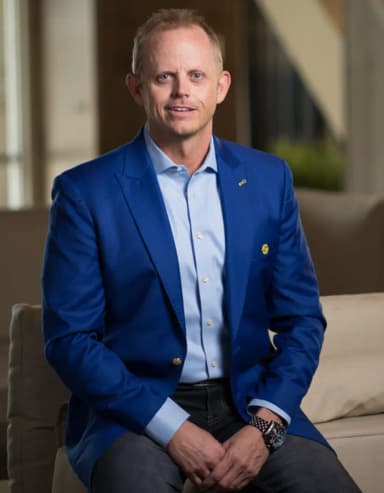
In this episode of The Daily Mastermind, host George Wright III dives into Prosperity Pillar 2: "I take personal responsibility." It is one of twelve core pillars he teaches, and he makes the case that it is among the most powerful shifts anyone can make. Personal responsibility is not just a success principle — it is a deeply empowering concept that changes how you see every challenge you face.
George draws a clear line between creating your life (Pillar 1) and taking responsibility for your life. Both matter, but they operate differently. Creating your life is proactive. Taking responsibility goes further: it means acknowledging that your current circumstances are, at least in part, the product of your thoughts and actions, and that the path forward is yours to shape.
Why Responsibility Is Empowering, Not Punishing
Many people hear "take personal responsibility" and feel the weight of blame. George reframes it entirely. Responsibility is empowering because it gives you control. You cannot always control your circumstances, but you can always control how you respond to them, and how you respond determines the outcome of your life far more than the circumstances themselves.
"It's in your moments of decision that you shape your destiny." — Tony Robbins, as cited by George Wright III
That quote sets the tone for the episode. Every moment of genuine ownership over your life is a decision that compounds over time.
The Difference Between a Decision and a Commitment
George makes a distinction that most people skip: many of us make a decision to be responsible, but far fewer make a lasting commitment. A decision gets you started. A commitment keeps you on the path when things get hard. Leaders who consistently deliver results, he points out, do not blame people, circumstances, or situations. They own the outcomes and press forward.
Making both the decision and the commitment means telling yourself clearly: "I will take personal responsibility for my life, for my actions, and for the circumstances in my life." Saying it out loud sets a powerful intention, and intentions, George argues, carry real power.
How Taking Responsibility Changes Your Perspective
Once you commit to personal responsibility, something shifts in how you perceive situations. You start looking for lessons instead of grievances. You look for solutions instead of problems. George references Stephen Covey's work on the principles of effective people, which speaks directly to this idea: how you react in the split second after something happens is what separates an average life from a prosperous one.
"How you react to anything that happens in your life will be the difference between having an average life or a successful, prosperous life."
That reactive moment, that pause between stimulus and response, is where personal responsibility lives. When you own the outcome before you even react, your reaction changes.
From Problems to Solutions: Shifting Your Focus
One of the most practical moves George describes is straightforward: stop focusing on the problem and start focusing on the solution. Many people stay stuck because they pour all their energy into analyzing and discussing what went wrong. Responsibility means redirecting that energy toward what you are going to do next.
When you consistently bring a solution mindset, you also create more happiness. Problems feel like things happening to you. Solutions are things you create. That shift in agency changes your emotional state and your results.
How to Be More Objective in Any Situation
George offers a concrete technique: train yourself to step back and take an objective view of any situation before you react. Ask whether the situation might be happening for a reason. Consider whether a different approach would produce a different outcome. Often, when you revisit difficult moments later, they were not as catastrophic as they felt at the time, and something useful came from them.
He also challenges the habit of judging yourself only by results. Most people ask: did I get the outcome or not? George encourages a wider lens.
"Give yourself some credit for your intentions, not just your results."
If your intention was to be responsible and handle something well, that intention has genuine value, even when the result was imperfect. Patience and self-understanding are part of the commitment, not signs of weakness.
Action Steps
- Identify one situation you are currently struggling with, something at work, at home, or in a relationship where you have not seen the results you want.
- Decide clearly that you will take personal responsibility for that situation, regardless of who else may be at fault.
- Make a commitment, not just a decision, to stay responsible in that area and watch how solutions begin to present themselves.
- Practice stepping back before you react: pause and choose your response intentionally rather than instinctively.
- Give yourself credit for your intention to be responsible, not only for the results you produce.
Personal responsibility is the foundation of everything else you want to build. You can create your own economy, make your own decisions, and control the way you respond to whatever life sends your way. As George Wright III puts it, it is never too late to start living the life you were meant to live.