
The Daily Mastermind
ALL EPISODES
Episode 1335 · Aug 14, 2026

Leadership Begins Long Before Anyone Follows You

Watch
Listen

George Wright III opens this Friday episode of The Daily Mastermind with a simple but challenging idea: leadership starts in the mirror. It has nothing to do with your title, whether you are a CEO, founder, manager, coach, or parent. Real leadership begins long before anyone follows you, in the standards you set for yourself, the commitments you keep, and how you behave when no one is watching. This article breaks down George's message on why leading yourself is the foundation for leading anyone else.

Why Leadership Starts With Leading Yourself

Most people think leadership is about motivating a team, getting buy in, or holding others accountable. George argues there is a question that has to come first: how well are you leading yourself? Can you manage your emotions? Keep commitments to yourself? Stay disciplined once motivation fades? Make hard decisions when they need to be made?

People pay closer attention to what leaders do than what leaders say. If you are chronically late but demand punctuality from others, they notice. If you avoid difficult conversations but expect open communication from your team, they notice that too. You cannot consistently lead other people beyond the level you are willing to lead yourself.

Don't look at your intentions. It doesn't matter what you think you want to do. Look at your actions, your discipline, your focus, your integrity, and identify what areas can you improve in.

Character Creates Credibility and Trust

Leadership is not just about skill, intelligence, or experience. Those things matter, but people ultimately need to trust the person leading them, and character is what builds that trust. Integrity means your actions align with what you say, especially when doing the right thing costs you something or when no one would ever find out if you cut a corner.

Nobody expects you to be perfect. Your team, your family, and the people around you do not need you to have every answer. What they need is to know they can trust you: honesty, consistency, and accountability. Competence earns you the position, but character earns you the trust of your team, and that trust is built through consistent behavior over time, not a single big win.

Influence Is Earned Under Pressure

It is easy to lead when business is growing and everyone is happy. Real leadership becomes visible during tough moments. How do you respond under pressure? How do you communicate through uncertainty? How do you treat people when you are frustrated? Do you take responsibility when something goes wrong, or look for someone to blame?

Every interaction adds to or subtracts from your ability to influence others, because your team is always watching what you prioritize and what you model. Influence is not something you demand because of a title. It is earned one interaction at a time, and the real proof of your influence is not whether people follow you, but what happens to those people as a result.

Culture Is What You Model, Not What You Post

George points out that culture is often made more complicated than it needs to be. Culture is not created by words on a wall. It is created by what leaders consistently demonstrate and allow in the organization. If you tolerate a lack of accountability, that becomes your culture. If you model ownership, communicate openly, and serve your people, that becomes your culture instead.

Building Leaders Instead of Dependency

One of the biggest traps entrepreneurs fall into is building an organization where everything depends on them: every decision, every problem, every fire to put out. George is direct about this: that is not leadership, that is dependency, and it will never give you the freedom you started your business for.

Great leaders develop people who can make decisions, solve problems, and eventually lead themselves. That means giving people real responsibility and context, not just instructions. It means coaching them, letting them make mistakes, and giving meaningful feedback so they build genuine confidence, not just confidence to follow orders.

Are the people around me making more capable decisions because of my leadership? Are they becoming more confident? Are they becoming better decision makers?

Leadership as Responsibility and Legacy

Titles create authority on an org chart, but they do not automatically create influence. Leadership is accepting responsibility for the impact you have on others, an impact that reaches employees, clients, partners, family, and community. The higher you rise, the greater the responsibility, not just the more privileges you gain.

George frames leadership as an act of service and stewardship. It is not measured by how many people report to you, but by how many people are better because you led them. That is where leadership connects to legacy: the leader you become determines the legacy you leave, and you are building that legacy every single day through how you lead.

Action Steps

  • Ask yourself daily: would I want the people I lead to lead the way I am leading right now?
  • Audit your actions, discipline, focus, and integrity instead of relying on your intentions.
  • Keep the commitments you make to yourself before demanding accountability from others.
  • Give team members real responsibility and context, then coach through mistakes with feedback.
  • Evaluate your impact by asking whether the people around you are becoming more capable and confident.

Leadership is not a position you hold, it is a person you become one decision at a time. Start with the person in the mirror, and the legacy you are building will take care of itself.
READ THE FULL TRANSCRIPT

Would I want the people that I lead to lead the way that I'm leading right now? Don't look at your intentions. It doesn't matter what you think you want to do. Look at your actions, your discipline, your focus, your integrity, and identify what areas can you improve in. Don't start by trying to fix your team. Start with yourself because leadership starts in the mirror. Welcome back to The Daily Mastermind, George Wright III, with your daily dose of inspiration, motivation, and education. I'm here in the studio today. I want to record a message for you for Friday, and I want to just kind of give you this thought. Leadership starts in the mirror. I think sometimes we associate leadership with titles. I'm a CEO, founder, manager, coach, parent, leader, whatever it is, but a title doesn't make you a leader. In fact, leadership begins long before anybody follows you. It starts with the standards that you set for yourself. It starts with commitments that you keep to yourself, the decisions you make and how you show up when nobody else is watching. I want to just talk to you a little bit about this idea today before you can actually become a leader in business, your family or anywhere else. And it's going to show up far before then. So I really want to kind of wrap your head around this today. So if you're new to the Daily Mastermind, let me just give you a quick idea of what our framework is. Mondays, we're talking inner game and mindset to get more clarity and focus and discipline. On Wednesdays, we talk business. Wednesday, we talk strategies and tactics and resources to help you grow. And then on Friday, it's going to come back to leadership lifestyle because we want you to create the life that you were meant to live, the one that you're working so hard to do during the week. Tuesday, Thursdays, as you know, we have great conversations with entrepreneurs and founders. So today, let's talk about leadership, not leadership as a position, but leadership as the person that you're becoming. And here's the big idea I want you to remember today. The leader you become determines the legacy that you leave. The leader you become determines the legacy you leave. So let's start with a couple of principles. First, leadership begins with leading yourself. We tend to think leadership is all about getting other people to perform, how to motivate my team or get people to buy into my vision or get accountability and things like that. But I think there's a question that has to come before all that, which is how well am I leading myself? I've talked about that with my co-host, John Harding on the Franklin Planner podcast. Can you manage your emotions? Can you keep the commitments to yourself? Can you stay disciplined when motivation disappears? Can you make difficult decisions when you know that they need to be made? Or can you hold yourself accountable before where you start holding everyone else accountable. Because people pay far more attention to what leaders do than what leaders say. And if you're constantly late, but demanding people to be punctual people notice And if you avoid for example difficult conversations but you expect your team to have open communication people are going to notice that They don follow people that don keep their own commitments and your personal standards eventually become visible to your team or as a leader And that's why I believe you cannot consistently lead other people beyond the level that you're willing to lead yourself. And leadership is going to start in the mirror, at the person you're looking at in the mirror. And when you start there, it leads directly in to this other principle I want to kind of throw out to you, which is your character will create your credibility. Your character is going to create your credibility because leadership isn't just about your skill. It's not about how smart you are and how much experience you have. Those things matter, but ultimately people need to trust the person who's leading them, and character is what creates that trust. Integrity is really about being aligned with who you are. Do you say what you do? And what happens when your decisions get difficult? What happens to you? What happens when doing the right thing actually costs you something or when nobody would ever know if you actually cut a corner or things like that? Those are the moments that build character and those are the moments that either build or weaken your credibility. Look, your team doesn't expect you to be perfect. So you can stop worrying about that. Your family doesn't expect you to be perfect. The people around you don't think you should have every answer, but they do need to know that they can trust you. They need honesty and consistency and accountability, and they need to know that your actions are going to line up with the things that you tell them that you believe. You can recover from mistakes, but it's a lot harder to come back from a lack of trust. So think about it this way. Competence is going to earn you the position that you're getting, but character really earns you the trust with your team. And trust isn't created on one big win. It's created when you do things consistently, which brings me to this other idea I wanted to mention to you, which is that your influence is earned through consistent actions. This is your leadership ability to influence other people. It's easy to lead when everything is going well. Business is growing. Your team's performing. Revenue's up. Everybody's happy. But leadership really becomes visible when things are tough. So how do you respond under pressure? How do you communicate when there's uncertainty? How do you treat people when you're frustrated? I'm asking these questions because I ask these questions of myself. And when you ask questions, you can focus on becoming a better version of yourself. So how do you treat people? How do you take responsibility when something's wrong? Are you looking to blame people or do you keep your commitments when you're keeping them, even when it's like inconvenient for you? Because all of those little things, they do matter. and every interaction that you have with other people, it's going to add or subtract from your ability to influence because your team is constantly watching. They're watching you to, you know, how you act and what you do. They're watching what you prioritize. And most importantly, they're watching what you model. We talk a lot about culture and business and I think sometimes we make culture far more complicated than it is Culture isn primarily created by the words you put on the wall It created by what leaders consistently demonstrate and allow in the organization So if you tolerate a lot of no accountability or you know, if you model ownership that becomes something that is accountable, it'll become your culture. If you communicate openly, that's your culture. If you serve your people, that's your culture. Influence, it's not something you demand because you have a title. Influence has earned one interaction with your people at a time. And I think the real test of that influence isn't just whether people follow you. That's not the proof of your influence. It's what happens to those people because they did. This is a topic that I think is very important for you to think about. Great leaders create more leaders. Think about that. There's a huge difference between building a following and people want to follow you. I've seen this over and over again with entrepreneurs, sometimes without even realizing it. We create organizations where everything depends on us. Every decision comes to us and every problem comes to us. And if we're not careful, we become this leader that has to be around all the time. That's not leadership. That's dependency. And if you want to create that life you're talking about with freedom, you can't do that. Great leaders develop their people and they develop people who can make decisions and people who can solve problems, and ultimately they develop people who can lead. Are you doing that? That means giving people responsibilities and giving your people context, right? You can't just give them instructions to tell them what to do. You've got to coach them. You've got to allow them to make decisions and make mistakes, and then just basically give meaningful feedback so that you can develop confidence in people on their own, and not just confidence to follow your orders. The goal listen to become the smartest person in the room. I've been in that situation multiple times in my career. And then everything depends on you because if everything depends on you, you haven't built leadership, you've built dependency. And so that's not going to create the life that you're looking for, what you started out in business for. So ask yourself this question, are the people around me making more capable decisions because of my leadership? Are they becoming more confident? Are they becoming better decision makers? You know, because great leaders don't just create results. Great leaders create more leaders, like I said. And that's because leadership is a responsibility. It's not a title. Titles create authority on an organizational chart, but titles do not automatically give you influence over your team. You've probably experienced this. Leadership is really about accepting responsibility for the impact that you have on other people. And as an entrepreneur and business owner, I think we sometimes underestimate just how far the impact reaches. Your decisions affect your employees. They affect the clients that we have. And then it affects your partners, your family. It affects your family, you know, of the people that work for you. And it even affects your community. That's why leadership is bigger than just how you perform in business. Your responsibility for the example you set is really the key because your responsibility for the standards and the culture and the people it all comes back to this leadership And that why it such a big topic for me Leadership is really an act of service and stewardship We put it that way And I think that the higher that you get in an organization or in business the greater the responsibility is, not just the more privileges you have. So just remember this, leadership isn't about how many people report to you. It's about how many people are better because you led them. And that's where leadership really begins to connect with something a lot bigger, and that's legacy. And that's the point we're trying to work for, right? Because here's the big idea. The leader that you become determines the legacy that you're going to lead. Because leadership, ultimately, it isn't just about building a successful company. It's about the impact that you have in the world. I mean, revenue matters, growth matters, achievement matters. but eventually the numbers become less important than the people who are affected by your leadership. I mean, it's the people you develop, the opportunities you created, the standards you modeled, your family, your culture, that is your legacy. And your legacy isn't something that you're going to just create someday. You're creating it every day in the way that you lead people. So here's my challenge for you. I want you to ask yourself this question. Would I want the people that I lead to lead the way that I'm leading right now? Would you want the people that you lead to lead the way you're leading right now? Don't look at your intentions. It doesn't matter what you think you want to do. Look at your actions, your discipline, your focus, your integrity, and identify what areas can you improve in. Don't start by trying to fix your team. Start with yourself because leadership starts in the mirror at the person you're looking at. And I hope this is a message that you'll take to heart. I really would appreciate it if you'd share this episode. If it's gotten some kind of value, share it out there. Head over to Daily Mastermind. Opt into the Prosperity Report. Make sure you're getting that once a week so you got all those extra links and resources that we put in there. And I want to leave you just with this thought. You don't need a title to be a leader. You need to take responsibility for the example that you're setting and impact that you are having on the people around you because the leader you become, it will most certainly determine the legacy that you leave. And it's never too late to start creating the life and the legacy that you're meant to have. I hope this message helped you. I really appreciate you being part of the mastermind. And if there's anything I could do for you, please reach out. Hit me up on the Daily Mastermind. Hit me up at George Wright III on any of the social media channels. And let me know what you're winning at. Let's celebrate some wins. Or even if you're struggling, tell me what you're struggling with. I'm going to get very active on social media over the next little while. I appreciate you guys. We're now in the top 50 consistently, as high as 23 sometimes in Apple podcasts, and that's because of you. So thank you so much for being with me. I look forward to talking with you more. Have an amazing weekend. Talk to you soon. you

Free to Join

Join the Mastermind — free.

Get the Prosperity Pillars poster, the First 30 Days guide, and the weekly Prosperity Report — the week's biggest ideas in a 5-minute read.

About the host
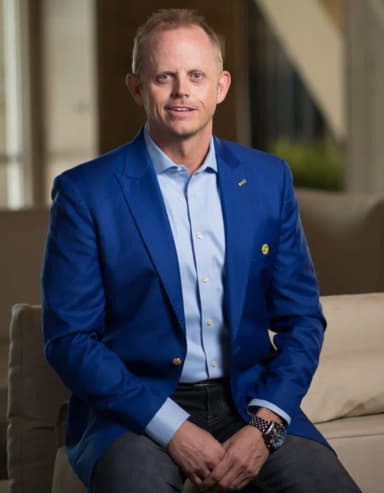
George Wright III, host of The Daily Mastermind

George Wright III

George Wright III is an entrepreneur, investor, and the host of The Daily Mastermind. Over more than two decades he has founded and scaled several multimillion-dollar companies and built a renowned seminar business that put some of the world's biggest names and brands on stage. With 25+ years across marketing, sales, and executive leadership, he's made a career of turning bold ideas into results — and momentum into lasting growth.

Today his mission is singular: empower driven entrepreneurs everywhere to master their mindset, unlock their potential, and live their ultimate destiny. Through The Daily Mastermind, George shares the Prosperity Principles and strategies that help people create massive change — in their business and in their life.

MORE ABOUT GEORGE