
The Daily Mastermind
ALL EPISODES
Episode 545 · Mar 10, 2022

How Leaders Direct Attention and Focus for Real Results

Listen

Leadership is one of the most layered, demanding skills any professional can develop. On The Daily Mastermind, George Wright III breaks down one of the most underappreciated truths about effective leadership: your primary job is not to manage tasks but to direct attention and create focus, for yourself, for the people around you, and for the business itself.

George opens by crediting Darren Hardy with a deceptively simple idea:

"Small things add up to big results."

It is easy to dismiss a quote like that, but George pushes deeper. As a leader you can get so locked into the big picture that you miss the small, consistent actions compounding beneath the surface. You also tend to overestimate what you can accomplish in the short term while underestimating what those small, deliberate choices add up to over the long run.

Why Directing Attention Is the Core Job of a Leader

Most people define leadership through vision, big decisions, or authority. George reframes it: leadership is about responsibility for directing attention. Whether you are leading a team, running a company, managing a household, or building a career, your ability to channel focus, your own and others', determines the results you create.

Businesses today are fragmented. They are pulled in dozens of directions at once, and the leader who cannot cut through that noise and point energy toward what actually matters will consistently fall short of the outcomes the business needs.

How to Direct Your Own Attention as a Leader

The first domain George addresses is yourself. Two qualities rise to the top: self-awareness and discipline.

Self-awareness means knowing not just what you are doing but why. George calls this specific intent. Everything a leader does should be tied to a deliberate purpose, not habit or obligation. If an action does not serve a clear objective, it deserves to be questioned or cut.

Discipline, meaning self-control, is equally critical. Leaders are constantly in demand. People need their direction, their input, their time. Without the self-control to say no, a leader drowns in reactive work and never reaches the proactive, strategic activities that actually move the needle.

"Leaders know when to say no. Leaders know because they have discipline and they have self-awareness."

Developing these two qualities, self-awareness and disciplined self-control, is the foundation of directing your personal attention as a leader.

How to Direct the Attention of the People Around You

The second domain is other people, and this is where real leverage lives. George draws a sharp line between managers and leaders. Managers direct and control. Leaders inspire and grow.

The tool that separates them is empathy. Empathy is not just understanding what someone is trying to accomplish; it is understanding their perspective, their emotions, and their real needs. When someone brings you a problem, the manager rushes to solve it. The leader first tries to understand what is driving it and what the person genuinely needs in order to grow through it.

When you guide people toward their own decisions rather than handing them answers, you build their capability and expand your influence simultaneously. That is the true science of leadership: growing the people around you expands your ability to create results in the organization exponentially. Empathy builds connection, and connection builds the kind of relationships that generate lasting influence.

How to Direct the Focus of the Business

The third domain is the business itself, whether that means your company, your department, your project, or your role. George's prescription here is to keep everything tied to strategy.

Every task, meeting, event, and initiative should answer one question: does this serve the key objectives of the business? If the answer is no, a leader either declines or finds a way to reshape the work so it does. This is not rigidity; it is innovation. Turning a problem into a strategic opportunity is a skill that separates reactive managers from proactive leaders.

Return on investment is not just a financial metric here. It is the lens a leader uses to evaluate where to direct business attention at any given moment.

Why Systems and Reporting Are Leadership Tools

George closes with a point that often gets overlooked in leadership conversations: systems and tracking are not administrative chores; they are focus tools.

"What you focus on grows, but what you monitor gets the attention to grow."

Building systems to automate, track, and report on key activities frees you from reactive fire-fighting and creates the mental space to think and act strategically. That is where real leadership happens.

Action Steps

  • Audit one area of your daily routine this week and identify whether each activity is driven by specific intent or simply by habit.
  • Practice saying no to one low-priority request and redirect that time toward a strategic priority.
  • In your next conversation with someone on your team or in your circle, listen first to understand their perspective and emotions before offering a solution.
  • Tie your current to-do list to your business strategy and cut or reshape anything that does not connect to your key objectives.
  • Identify one process you can systematize or track so you gain better visibility and free up time for higher-level thinking.

Leadership is not a title; it is a practice. Whether you are a business owner, an executive, a parent, or a community member, your ability to direct attention and create focus is what separates those who fulfill their potential from those who stay stuck. It is never too late to start living the life you were meant to live.
READ THE FULL TRANSCRIPT

Welcome back to The Mastermind. George Wright III here with your daily dose of inspiration, motivation, and education. And today I want to talk to you about leadership. Today is Thursday. Generally, I want to get into some business principles for you on Thursdays and some case studies. But leadership is something that's going to be that overarching, most important visionary part, strategy part of business that I think we need to constantly keep in our mindset. And leadership really has a lot of different levels to it. Leadership has a lot of different areas that you need to focus on personal growth in because leadership is going to involve you, other people, the business strategies, and things like that. So let's start out today with a great quote that really relates to leadership, and that's from Darren Hardy. Darren Hardy says, small things add up to big results. Small things add up to big results. I think this quote sounds very simple, but it's one to really think about because I think a lot of times what we're not saying is that the average typical day-to-day tasks add up. We're saying small things, things that sometimes as leaders we're caught up in such a big picture that we don't realize that some of the smallest things can add up. It's like that thought that we've had before where you underestimate the things you can do in the long term, but you overestimate the short term. There's so many sort of paradoxes and dichotomies to the concepts and things we learn. But I think that situations change in business and situations change in how you perceive things based on where you're at in your evolution as a business leader. And so it's important right now for you to think about what are those small things that maybe can add up to big results and not necessarily at the beginning of the year always be focused on so much of the future that it robs you of the presence of the results you can get in the short term and also the things that can add up to create the ultimate goal for you in the long run. So what I want to do today is I want to talk to you a little bit, just a few short thoughts about leadership because leadership obviously focuses on solutions. Leaders need to create solutions, They need to create, more importantly, results. And that's the thing that's difficult to do when you're maintaining a job sometimes and you're trying to get personal results. Creating results for the business, creating results for individuals that are in your stewardship, creating results in a lot of different areas. And so leadership is really about directing and responsibility for directing attention. So it's all about focus, right? You're trying to create focus for yourself. you trying to create focus for others you really just trying to direct attention of individuals to certain tasks to certain objectives and creating that or driving that attention and creating that focus, it's going to involve several different areas. And the more aware you are of these areas, the more you're going to be able to create results. It's going to require you as a true leader to be able to create and drive attention in yourself, as well as the people, the other people that are in your stewardship as a leader, and also direct attention and focus of the business in general. Because businesses today are so fragmented, they're focused on so many different things. Sometimes it's hard to drive the attention and the focus where you want it to go. So these three areas, I just want to throw a couple of thoughts out to you on how to create and drive attention for you, for the people around you, and for the business. So let's start with you. How do you create and drive attention and focus for yourself as a business leader? Well, self-awareness is going to come right to the top of the suggestions. The more aware you are of what you're doing and why you're doing it, I always use this term specific intent. You got to drill into your head. I do things with a specific intent, everything. There's no such thing as a leader doing things just because it's on your list or doing things because you always do them. Self-awareness will help you to always drive your activity based on specific intent of accomplishing the objectives of the business. The other thing besides self-awareness for yourself driving attention is discipline. You know, this idea of self-control. You know, the problem with the leaders nowadays is that so many, and always, I guess, is that so many people come at you, right? So many people need your help. They require your support, your direction, your response. and most leaders are drinking from a fire hose. They're trying to deal with things all day long. The key, the key is to create self-control and discipline in your time, in your productivity, in your activities because the more discipline you can have and this involves this concept of being able to say no. No is a two-letter word that says a whole phrase of things to anyone around you. Leaders know when to say no. Leaders know because they have discipline and they have self-awareness. These are the things that you need to develop, discipline and self-awareness, self-control, in order to help direct your attention as a leader, directing your attention and focus. Then what it does is it kind of brings me to a couple quick thoughts on other people. Because directing the attention and focus of the people around you is your way as a leader to truly get results because that's when you can tap into leverage. See whether you have a direct report that you are managing not necessarily leading or whether you just have people within your sphere of influence leaders learn to direct their attention And the way they direct their attention is not through management It through inspiring and motivating them to do things. And this involves a couple of ideas. First is creating empathy. So leaders, unlike managers that just direct and manage people and manage their attention because they have to, they truly inspire innovative results and huge results because they learn to create empathy, which is really understanding not just what someone is trying to accomplish, but their perspective, their emotions, and their needs. So when you're dealing with somebody and they come up to you and they say, hey man, I've got a problem with this. Instead of just trying to solve the problem, which is what a manager would do, as a leader, you first try to understand why is it this is happening? And then what emotions are they feeling? What are they struggling with? and what's the real solutions that can help them and help lead them to decisions. See, leaders help individuals around them, whether they're direct reports or not, lead people to decisions and solutions so that that person grows. See, growing other people is the true science of a leader because as you grow the people around you, not only does it re-emphasize your role as a leader to them, but it totally expands exponentially your ability to create results in the organization. And you do this through creating empathy, not managing and directing what they do. And empathy will obviously create a stronger connection for you as a leader. And this is another key point of leadership focus for other people and that is relationships. Relationships with other people by creating empathy and helping them grow into decision-making, personal growth. That's a true sign of a leader and that's someone who's going to have influence. Influence is a massive, massive characteristic of leaders. So besides self-awareness and discipline and self-control for yourself, creating empathy and connection and growing the people around you, a leader also needs to be able to direct the focus of a business, of the opportunity, of the career, of the job, of the title, of the role that you have. And the way they direct the focus for this is they really focus constantly on the overall strategy of the business and how it ties to everything they do. Back to that first point about specific intent. Everything you do in the business should have specific intent that is tied to the strategy of the company. In other words, someone comes to you tomorrow and says, hey man, I want you to do this particular training or I want you to be able to set up this particular event. Maybe you have an event for your business you're planning. you first and foremost in the back of your mind, you say how is this going to help me focus and direct my effort to accomplishing the KPIs and the objectives of the business Because if that does that role then let do it If not I going to say no If not I'm going to adjust it. Leaders get really good at adjusting different tasks and priorities they have to fit the strategy of the business. And one of the real good ways you do this in a skill set you pick up is you learn to innovate. You learn to think out of the box. So instead of possibly handling a problem that's happening in the company, you turn that problem into an innovative out-of-the-box solution to drive the company closer to the strategy and vision that it has. So see, what you have to do is you have to constantly be thinking about results. Results and return on investment for your business strategies because there's always a way to direct your personal priorities, the people around you priorities, and the business priorities to accomplish the objective of the business. It just takes out of the box thinking and that's what leaders learn to do. So there's always solutions for every area of the business. And part of the way, just in final thought here, part of the way you can truly develop yourself as a leader and you can focus on your own personal self-discipline and control and direction, other people's and the business, is to really double down on your systems and reporting. Your systems and reporting, because we always talk about what you focus on grows, but what you monitor gets the attention to grow. So find ways to automate or to track or to create systems for the things in your business so it'll start to free up your time to be more strategic. So those are just a few thoughts on leadership. I wanna constantly have your mind thinking about leadership because whether you're a business owner or an entrepreneur or a C-level executive or a husband or a father or a brother, sister, whatever it is, you're always going to excel and become more fulfilled and productive in life if you become more of a leader. And leaders direct attention, they create focus, and you can do this through systems and reporting. I hope those are great thoughts for you. Do me a favor, hit me up on the Daily Mastermind. Let me know what it is in your business or in your position that you're struggling with as a leader. And let's come up with some ideas and give you some feedback, bring in a few guests to be able to help you with that. Also, one more thing I'd ask you is if this is your first time listening to the podcast, if you've learned something from it, I think you probably have over the last few episodes, share it with someone. Share it with at least one person so that we can get the message out, we can kind of grow our community. And that would mean a lot to me. I know it would mean a lot to the people that are getting value from the podcast. Anyway, this is George Wright III. This has been The Daily Mastermind. Have a phenomenal day. you

About the host
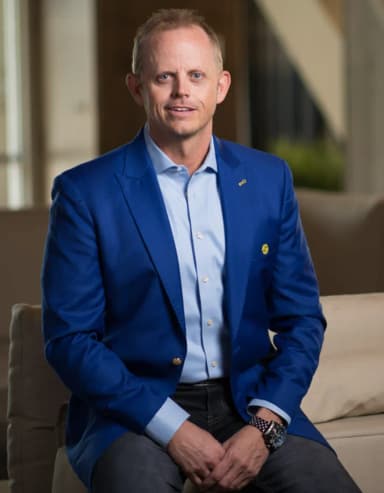
George Wright III, host of The Daily Mastermind

George Wright III

George Wright III is an entrepreneur, investor, and the host of The Daily Mastermind. Over more than two decades he has founded and scaled several multimillion-dollar companies and built a renowned seminar business that put some of the world's biggest names and brands on stage. With 25+ years across marketing, sales, and executive leadership, he's made a career of turning bold ideas into results — and momentum into lasting growth.

Today his mission is singular: empower driven entrepreneurs everywhere to master their mindset, unlock their potential, and live their ultimate destiny. Through The Daily Mastermind, George shares the Prosperity Principles and strategies that help people create massive change — in their business and in their life.

MORE ABOUT GEORGE