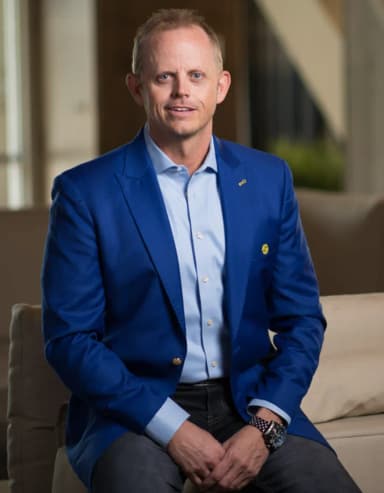
George Wright III opens this episode of The Daily Mastermind with a clarifying distinction: creating your life and taking responsibility for your life are two very different things. As the second principle in his 12-day Prosperity Pillars series, personal responsibility is more than a success habit. It is one of the most empowering decisions you can make.
When you accept that your life is where it is because of the thoughts and choices that brought it there, you stop focusing on problems and start focusing on solutions. You gain a sense of control, and with it, a pathway to greater happiness and lasting change.
Why Personal Responsibility Is More Than a Success Principle
Most people understand that great leaders own their actions. But personal responsibility goes deeper than leadership. When you genuinely believe you are responsible for your life, you also believe you have the power to reshape it. That belief is the foundation of every meaningful change you will ever make.
"It's in your moments of decision that your destiny is shaped." — Tony Robbins
Your destiny is not handed to you. It is built, one decision at a time. And each of those decisions begins with choosing to be responsible.
The Difference Between Creating Your Life and Owning It
George distinguishes between two related but distinct principles. Being proactive and creating your life is principle one. Principle two goes further: owning the outcomes. You may be moving forward with energy and intention, yet still blaming external circumstances when things go wrong. The shift happens when you commit to responsibility at a deeper level.
That commitment is not the same as a single decision. Decisions fade. Commitments carry you through the moments when things get hard. Make the decision today, and then take the additional step of committing to it.
How Responsibility Transforms Your Perception
One of the most practical benefits George highlights is a shift in how you see situations. When you take responsibility, failure becomes a lesson rather than an indictment. Setbacks become feedback. Challenges become solvable problems. Your entire objective changes: instead of dwelling on what went wrong, you ask what you can learn and where you can go next.
This new perception is not just a mindset technique. It is a direct consequence of owning your circumstances. When you believe you shaped your current situation, you also believe you can shape a better one.
What Stephen Covey and Ed Mylett Teach About Responsibility
George draws on two well-known voices to sharpen the practical side of this principle. Stephen Covey taught that in the split second between a stimulus and your response, you have a choice. That brief pause separates the reactive person from the responsible one, and it separates the successful from the unsuccessful.
Ed Mylett adds a compelling layer: give yourself credit for your intentions, not just your actions. Many people judge themselves harshly based on results alone. But the sincere intention to take responsibility is itself meaningful and powerful.
"You need to give yourself more credit for your intentions, not just your actions." — Ed Mylett
That reframe matters. You are not just what you have done. You are also what you genuinely intend to do.
Four Ways to Practice Personal Responsibility Today
George lays out four concrete approaches:
Be the one. Step up and decide that you are the person responsible. Do not wait for someone else to own the situation.
Don't react. Take a moment before responding to any difficult stimulus. That pause changes the quality of every decision you make.
Be objective. Ask whether this situation might actually be happening for your benefit. Look for the outcome your reactive mind would have missed.
Say it out loud. Tell yourself, "I take personal responsibility." The stated intention carries real power. George believes your intentions are powerful, and vocalizing them reinforces your commitment.
Action Steps
- Identify one situation in your life right now where you have been avoiding responsibility, whether at work, at home, or in a relationship.
- Make the decision today that you will own that situation and its outcomes.
- Take the additional step of committing to that responsibility, not just deciding once.
- Before reacting to any difficult moment, pause deliberately and choose your response.
- Notice how solutions begin to appear once you shift your focus from blame to ownership.
Personal responsibility does not mean you caused every hardship in your life. It means you choose to be the one who responds, adapts, and moves forward. When you adopt this principle fully, your perception shifts, your confidence grows, and your results follow. As George reminds every listener: it's never too late to start living the life you were meant to live.