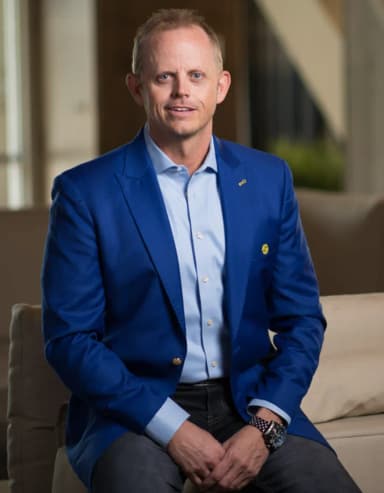
In this episode of The Daily Mastermind, George Wright III shares 15 timeless Stoic principles drawn from the teachings of Seneca, the ancient philosopher whose ideas have guided thinkers and leaders across millennia. George came across a YouTube video by the channel Stoic Life Lessons over the weekend and found it so powerful he listened to it twice before deciding to bring it to his audience as a Monday mindset primer.
Stoicism traces its roots to ancient Athens and Greece. You have likely heard of its key figures: Marcus Aurelius, Seneca, and others whose teachings emphasize self-mastery, resilience, and virtue. These are not abstract ideas. They are practical frameworks for how to think, respond, and act as you move through real life. Here is what George covered.
How Seeking Challenges and Choosing Your Influences Drive Growth
The first principle is to seek challenges. Stoic philosophy recognizes that growth comes from adversity. Most people gravitate toward comfort and the easy path, but the greatest fulfillment in life comes from pushing into difficulty and growing through it.
The second principle, choose your influences, follows naturally. You cannot always choose your circumstances, but you can choose who surrounds you. You become the average of the people you spend time with. Are you mindlessly scrolling social media, or are you seeking out ideas and voices that elevate you?
Why Focusing on Your Response Changes Everything
The third principle is to focus on your response. What matters is not what happens to you, but how you respond. George notes that Stephen Covey and others have emphasized this same idea over the years. When adversity hits, do you see an obstacle or an opportunity to become stronger?
The fourth principle is to say yes to what matters. The world is full of distractions. Rather than drifting through life, ask yourself what truly matters. Make choices that create real impact for yourself and the people you care about, not choices driven by outside validation.
What Self-Mastery, Time Protection, and Doing Hard Things Look Like
Principle five is be a master of yourself. Self-mastery is at the core of The Daily Mastermind: learning to control your actions and emotions and treating self-discipline not as a burden but as a virtue and a requirement for success.
Principle six is protect your time. Your time is one of your most valuable resources and one you cannot recover. This life is not a dress rehearsal. Treat your time with the same care and intention you give to your finances.
Principle seven is do the hard things. George connects this to one of his prosperity principles: act in spite of your mood. The most successful people are willing to do what others avoid, whether that is physical, mental, relational, or spiritual. Doing hard things is where growth lives.
How Gratitude, Learning, and Vulnerability Build Lasting Strength
Principle eight is make others better. A life focused entirely on personal needs is a narrower life. When you can inspire and elevate the people around you, you create legacy and deeper fulfillment. You will find you are willing to do more for others than for yourself.
Principle nine is practice gratitude. Gratitude is not just a list of things you appreciate. It is an active practice: showing up with resilience and abundance in how you engage with life, especially during adversity.
Principle ten is embrace continuous learning. George sees this pattern constantly in business: people so focused on demonstrating what they already know that they miss chances to grow. Curiosity and openness make you more productive, more fulfilled, and more attractive to others.
Principle eleven is embrace vulnerability. Seneca teaches that vulnerability requires courage, not weakness. Showing vulnerability is an act of strength, and it draws people toward you because they recognize the authenticity it takes.
Cultivating Resilience, Reflection, and a Robust Mindset
Principle twelve is cultivate resilience through adversity. Many great leaders have stood at the edge of giving up and pushed through. Adversity is a teacher. As George puts it:
Don't view setbacks as obstacles. View setbacks as opportunities to be able to learn and grow and develop.
Principle thirteen is practice the art of reflection. Taking time to reflect may not feel productive, but it is how you truly learn from your life. Daily reflection on your thoughts, decisions, and experiences turns lived experience into wisdom.
Principle fourteen is cultivate a robust mindset. Your thoughts create your life. A well-trained mind becomes your most powerful tool. Left unmanaged, it can become your worst enemy. Proactively train your mind to look for success, gratitude, and the virtues that shape the life you want.
Living in Alignment with Your Values
The fifteenth and final principle is live in alignment with your values. This one resonated most deeply with George. Alignment is what creates genuine fulfillment.
When you feel off, when you feel unhappy, when you feel like you're not moving and making progress, when you feel just like you're not in alignment, generally it's because you're not doing things that line up with your values.
Ask yourself what you value and align everything around it: your relationships, your business, your daily disciplines. When you do, you gain energy, passion, and results.
Action Steps
- Each morning this week, pick one of the 15 Stoic principles and ask how you can apply it that day.
- Audit your closest influences: are the voices you follow daily lifting you toward growth or keeping you comfortable?
- Start a five-minute daily reflection practice, writing down one thing you learned and one thing you are grateful for.
- Identify one hard thing you have been avoiding and do it this week, whether physical, relational, or professional.
- Write down your top three values and compare them to how you actually spent your time last week.
These principles have guided leaders across thousands of years because they work. Success leaves clues, and the Stoics left plenty of them. It is never too late to start living the life you were meant to live.