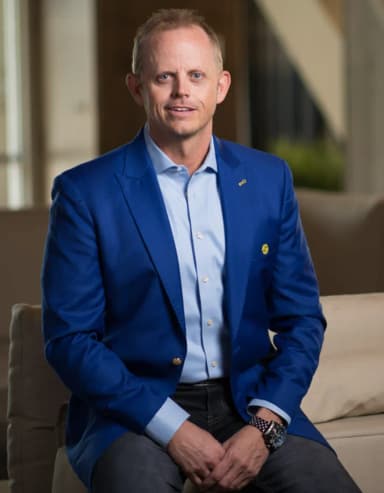
George Wright III, host of The Daily Mastermind, opens this episode with a challenge: most people treat learning as something that ends when formal schooling does. But if you want to grow, break through limiting beliefs, and create the life you were meant to live, lifelong learning is not optional. It is the engine.
George's Prosperity Pillar Number Nine is a daily declaration: "I am committed to lifelong learning." In this episode, he unpacks what that actually means in practice and reveals ten benefits of consistent learning that most people never think about.
Why Applied Knowledge Beats Information Alone
There is a well-known saying that knowledge is power, but George pushes back on the incomplete version of that idea. Acquiring information is only the first step. Real transformation happens when you apply that knowledge and then gain experience with it.
Learning is not just studying and getting your knowledge and stuff that you don't currently have. Learning is about applying what you've learned.
Every belief you hold, every comfort zone you operate inside, was formed through experience. New experiences built on new knowledge are the only reliable mechanism for reshaping those beliefs and expanding what you think is possible.
How to Tie Your Learning to an Objective
One of the most practical insights in this episode is the idea of intentional, objective-driven learning. When you connect what you are studying to a specific goal, obstacle, or passion in your life, motivation follows naturally.
George suggests focusing your learning on areas like mastering your unique talents, meeting the immediate and long-term needs of your business, or deepening your personal relationships. Specific intent converts dabbling into deliberate growth.
He also points to the science of neuroplasticity: you can build new patterns of thinking at any age. The phrase he uses, "neurons that fire together wire together," is a reminder that your brain is not fixed. Learning, practiced consistently, rewires it.
Building a Daily Learning Ritual
Consistency matters more than volume. George blocks out dedicated time each day for podcasts, books, newsletters, interviews, and other sources of information. He adapts the format to what works for him: audio, written material, or conversations with people who push his thinking.
His recommendation is to find the time of day when your mind is sharpest, block it, and prioritize content you can apply right away. When learning connects directly to your daily work or challenges, it becomes energizing rather than obligatory.
George also credits his business partner, Robert Stuber, with a framework that reframes the entire endeavor: create a curriculum for your life. Rather than learning randomly, map out the topics and skills you want to master over the coming years, the same way a university degree has a structured progression. That path accelerates mastery.
The 10 Hidden Benefits of Lifelong Learning
George's list is the core of the episode. These are benefits that compound quietly in the background while you are focused on absorbing content:
1. Inspiration - New ideas and perspectives emerge that you would never generate in isolation. 2. Motivation - Exposure to success stories and fresh strategies builds confidence and drive. 3. Energy - Growth and positive emotions generated by learning create real, tangible energy. 4. Connection - Expanding your knowledge base makes you more relatable and engaging across different contexts. 5. Relevance - Staying current in your marketplace requires constant exposure to new thinking. 6. Mastery - Deep, repeated learning in your area of expertise accelerates the development of your unique talents. 7. Discipline - A daily learning ritual builds the structure and consistency that spills into every other area of life. 8. Opportunities - Knowledge opens your mind to possibilities you would not otherwise notice. 9. Clarity - Different perspectives and approaches remind you of what you are actually trying to accomplish. 10. Solutions - When you are actively learning, your reticular activating system (RAS) tunes your attention toward answers to the problems you are working on.
Knowledge leads you to opportunities. It opens up your mind.
What to Consider About Your Own Learning
George closes with three practical questions to reflect on. First, what are your interests? What do you genuinely want to master? Second, what are your sources? If all your information comes from one perspective, your ability to connect with and understand others will be limited. Diversify constantly.
Third, build that curriculum. Robert Stuber's book, *Creating Your Ultimate Destiny*, is one resource George recommends for anyone who wants a structured approach to designing the life they want.
Action Steps
- Identify one specific objective in your life and match your next book, podcast, or course directly to that objective.
- Block a recurring time in your daily schedule for learning, whether it is 20 minutes in the morning or an hour in the evening.
- Audit your current information sources and deliberately add at least one new, different perspective.
- Begin drafting a personal learning curriculum: list the topics and skills you want to develop over the next one to three years.
- Apply something from your most recent learning within 24 hours, because applied knowledge builds experience, and experience changes belief.
Lifelong learning is not about collecting credentials. It is about becoming someone capable of creating the life you were meant to live. It is never too late to start living the life you were meant to live.